
What Is the Best Wine Pairing for Long Island Seafood 2026
July 10, 2026
Why the wrong wine can flatten a great Long Island seafood meal
If you have ever opened a nice bottle and felt the meal still fell flat, the pairing was probably the problem. That frustration is common, especially with seafood. Long Island seafood can taste bright, briny, sweet, smoky, or buttery, sometimes all in one dinner. A bottle that shines with roast chicken may feel oddly dull beside oysters or lobster.
What makes coastal seafood around Suffolk County taste different from heavier inland dishes
Seafood from Suffolk County often carries a cleaner, salt-kissed profile than richer inland fare. That changes everything. Raw shellfish tastes metallic, creamy, and cold. Grilled local fish can pick up char and smoke fast. So the wine needs shape, not weight.
We hear this from guests shopping for a Long Island seafood wine pairing almost every week. The best bottles do not overpower the plate. Instead, they refresh your palate between bites. That is why a crisp white wine usually wins before a big red even gets a chance. The ocean wants lift, not muscle.
Why buttery sauces, brine, smoke, and citrus each ask for a different wine style
Here is the part most people miss: seafood is not one flavor. Butter asks for richness and restraint. Brine wants acidity and minerality. Smoke can welcome a touch of body. Citrus usually wants a wine with a clean, bright edge.
That is why a single answer never fits every plate. A shellfish platter with lemon needs different logic than blackened swordfish. On a busy Friday in Commack, we often help customers choose from wine pairing tips because the sauce matters as much as the fish. The same bottle that flatters lobster may fight with ceviche. The same bottle that loves oysters may feel thin beside cream sauce.
The pairing trap that makes a good bottle taste tired next to oysters, lobster, or grilled fish
The trap is simple: people choose a wine they already like, then force it onto seafood. That works sometimes, but not often. A fuller white can taste heavy next to oysters. A bold red can make grilled fish taste metallic. Even a good bottle can seem tired if the food is delicate.
One customer told us about a quiet dinner on the North Shore. He had brought a polished white he loved with roast pork. With raw clams, it felt sluggish and soft. We steered him toward something sharper, and the whole meal woke up. That is the difference between a bottle you like and a bottle that truly fits.
The bottles that keep winning with oysters, clams, lobster, and crab legs
The best bottles with shellfish usually share one thing: freshness. They have enough acid to cut through richness and enough aroma to stay interesting. That is why seafood and wine guide conversations often return to the same core styles. The classics work because they respect the food. They do not bully it.
Why crisp white wine still leads the pack for shellfish wine pairing
For oysters, clams, and crab legs, a crisp white wine still leads the pack. It cleans the palate. It also highlights sweetness in the shellfish. If you want a fast rule, start there. It is simple, reliable, and rarely disappointing.
That is why our best wine for seafood guidance usually starts with whites. A lean white keeps salt and freshness in balance. It also works for dinner party wine when you are serving mixed plates. If you are unsure, white wine delivery is often the safest move for a shellfish spread.
How Sauvignon Blanc, dry Riesling, Pinot Grigio, and Albariño each handle salt and minerality
Each grape solves the seafood puzzle differently. Sauvignon Blanc brings citrus, herbs, and a sharp finish. Dry Riesling adds lime, green apple, and a mineral edge. Pinot Grigio stays light and easy. Albariño brings stone fruit, salinity, and a lovely snap.
If you want a bottle with nerve, a Sauvignon Blanc can handle oysters and chilled shrimp beautifully. For people who like a little residual texture without sweetness, dry Riesling is a smart choice. A balanced Pinot Grigio works when you want something easygoing. And Albariño and Vermentino seafood pairings feel made for Long Island clams.
When Chablis, Muscadet, and Vermentino make more sense than a richer Chardonnay
Sometimes you want a wine with more structure, but not more weight. That is where Chablis, Muscadet, and Vermentino shine. They bring mineral-driven wines with tension and clean lines. They feel almost salty, which is perfect for shellfish. They also stay graceful with lemon, herbs, and seaweed notes.
If you are comparing styles, Muscadet and Chablis with shellfish is one of the most useful search paths. These wines are not flashy. They are disciplined. A richer Chardonnay can still work, but only if the dish is rich enough to meet it. Otherwise, the food disappears.
Wine styleBest matchWhy it worksSauvignon BlancOysters, clamsBright citrus and herbal liftDry RieslingSpicy crab, shellfishAcidity, minerality, and balancePinot GrigioLight fish, shrimpClean, easy textureAlbariñoClams, scallopsSalinity and stone fruitChablis/MuscadetRaw bar, crab legsSharp minerality### Why sparkling wine pairing and champagne with oysters feels luxurious without overpowering the plate
Sparkling wine pairing works because bubbles scrub the palate. They also make oysters feel even fresher. That is not just a luxury effect. It is a texture match. The mousse lifts the brine and resets your mouth after each bite.
If you want a classic move, sparkling wine pairing for oysters is hard to beat. Champagne with oysters feels elegant, but it also makes practical sense. The acidity and bubbles keep the pairing lively. For celebrations in Suffolk County, that bottle can set the tone without taking over the table.
What every seafood course asks for before you pour a glass
Not every seafood plate behaves the same way. Raw oysters ask for precision. Lobster asks for softness. Scallops need balance. Sushi wants restraint. The texture of the food should guide the bottle, not just the label.
The best wine for seafood by texture from raw oysters to roasted scallops
Texture is the real map. Raw oysters like sharp, saline wines. Roasted scallops need a little roundness because heat brings sweetness. Crab cakes often sit in the middle, especially with aioli or lemon. Shrimp cocktail wants zip. The more delicate the dish, the lighter the pour should be.
That is why best wine for seafood is not one bottle. It is a style range. Raw bar plates usually want the leanest whites. Roasted seafood can take more mid-palate weight. If you are hosting in Commack, think course by course, not by one-size-fits-all rule.
Why Chardonnay for lobster works when it stays restrained and unoaked
Chardonnay for lobster works when the wine stays restrained. You want texture, not toast. You want creaminess, not oak. A rich, buttery Chardonnay can dominate the lobster’s sweetness. A restrained bottle, especially one that is unoaked, gives the dish room to breathe.
That is why Chardonnay for lobster dinner should lead you toward balance. Unoaked Chardonnay can echo the lobster’s richness without burying its flavor. That pairing feels especially right with drawn butter, corn, and potatoes. On a summer night, it reads as calm and complete.
How rosé with seafood can bridge the gap between grilled fish and summer dining
Rosé is the bridge bottle. It gives you freshness like white wine, but with a little more cushion. That makes it ideal for grilled fish, salmon, tuna, and tomato-forward seafood plates. Dry rosé also handles picnic-style meals and patio dinners with ease.
A good rosé wine with seafood works when you want one bottle for several dishes. It is especially useful for summer dining wine because it stays lively in warm weather. If your table includes both shrimp and grilled swordfish, rosé can split the difference. It is one of the most flexible bottles in the room.
Why sushi and wine pairing, ceviche wine pairing, and seafood boil pairing need a lighter hand
Sushi and wine pairing is tricky because soy sauce, wasabi, and rice all shift the equation. Ceviche wine pairing is even more delicate because acid is already built into the dish. Seafood boil pairing can be louder still, with spice, salt, and butter all competing. In these cases, less is more.
Choose light-bodied wine with fresh acid. Avoid heavy oak. Avoid high-tannin reds. If you are serving a seafood boil with citrus and spice, a chilled white or dry rosé usually works best. If you are building a mixed menu, ask yourself what the dominant flavor is before you open anything.
When organic wine, kosher wine, and low-intervention bottles fit the menu naturally
Sometimes the best choice is not about style alone. Some hosts prefer organic wine, kosher wine, or low-intervention bottles for personal or dietary reasons. Those categories can fit seafood naturally when the wine still has balance and freshness. The key is not the label trend. The key is taste. 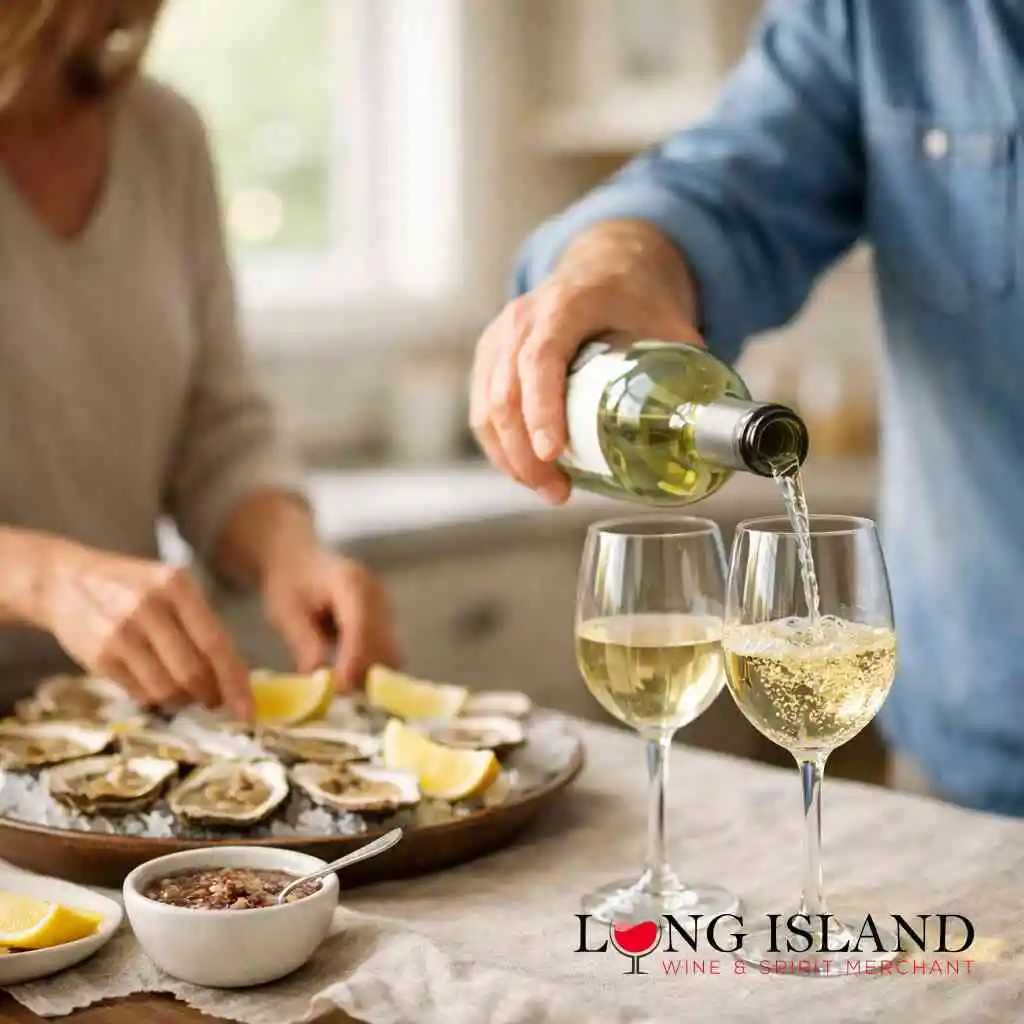
We often help shoppers compare bottles from our organic wine selection without overcomplicating things. Clean fruit, steady acid, and moderate alcohol matter more than the buzzwords. If you are serving a thoughtful dinner, those bottles can feel honest and comfortable. They work best when the seafood stays simple and well-cooked. Why the sides, sauces, and cooking method matter as much as the fish
The wine should follow the plate, not the protein alone. Garlic butter changes the shape of the meal. Aioli changes it again. Smoke and char change it even more. That is why a thoughtful seafood dinner can need three different wines, not one.
How garlic butter, aioli, and cream sauces change the answer completely
Garlic butter adds richness and sweetness. Aioli adds fat and a little tang. Cream sauces demand more body from the wine. If the sauce is heavy, the wine needs enough weight to stand up. If the sauce is light, keep the wine bright.
This is where customers often reconsider their first pick. A sharp white that worked for oysters may feel too lean with cream sauce. A richer bottle can help. Still, you do not need a giant, oaky wine to make the meal work. You just need enough texture to match the sauce.
Why grilled fish and wine need different logic than fried platters or raw bar spreads
Grilled fish and wine pairing is about char and salt. Fried platters are about oil and crunch. Raw bar spreads are about purity and brine. Each cooking method changes the ideal bottle. That is why restaurant lists around Long Island rarely recommend one single white for every seafood item.
For fried shrimp, acidity matters most. For grilled sea bass, a mineral white or dry rosé often works better. For a raw bar, precision wins again. The cooking method is the compass. Ignore it, and even a good bottle feels off.
What to pour with spicy seafood, tomato-based sauces, and herb-heavy dishes
Spicy seafood needs a wine with cooling freshness. Tomato-based sauces need acidity. Herb-heavy dishes need aromatic lift. That means you should think in terms of tension and perfume. Heavy tannins usually get in the way.
A dry white or rosé usually handles spice best. If the dish has tomato and garlic, a bright white can still work if it has enough body. Herb-heavy plates may welcome Sauvignon Blanc or a similar aromatic style. Keep the bottle lively, and the meal stays in balance.
How cocktail ingredients, mixers, tonic water, and hard seltzer fit into a mixed seafood party spread
Not every guest wants wine. Some want a lighter drink beside seafood. That is where cocktail ingredients, mixers, tonic water, and hard seltzer can help. They keep the party flexible. They also let you serve guests with different preferences without cluttering the table.
For mixed spreads, think simple. Tonic and citrus can echo the same bright notes in the wine. Hard seltzer fits well with fried seafood and casual gatherings. If you are shopping for a party alcohol bulk setup, keep the menu easy to read. A clear drink plan makes hosting smoother.
How to choose the right bottle before dinner starts, and what to do next
The best seafood pairing is the one you feel confident opening. That means thinking through the menu before you shop. It also means having a backup bottle ready. A little planning removes pressure when guests arrive and the plates start moving.
The quick decision frame for buying white wine, sparkling wine, or a backup red for the table
Start with the menu. If raw shellfish leads, buy white or sparkling. If lobster or scallops lead, consider a fuller white. If grilled fish or salmon lead, rosé can be the smartest middle ground. A backup red should stay light, low in tannin, and food-friendly.
Here is the simplest frame:
- Raw oysters and clams: sparkling or crisp white
- Lobster and crab legs: restrained white
- Grilled fish and salmon: dry rosé or mineral white
- Spicy seafood: aromatic white
- Mixed spread: buy two styles, not one
How wine delivery, Long Island alcohol, and liquor delivery near me can simplify hosting in Commack and across Suffolk County
If you are juggling shopping, cooking, and guests, delivery can make a real difference. That is especially true for Long Island wine delivery near me in Commack, where timing matters before dinner. Our team at Long Island Alcohol Store in Commack, New York, serves Suffolk County with a local touch. We also ship in all 50 states, while following applicable rules and age verification requirements.
For many hosts, that convenience matters more than anything else. You can compare wines at home. You can plan around the menu. You can use an online wine store USA mindset without losing the local expertise. It keeps the process calm, which is half the battle.
What to look for in wine tasting packs, alcohol gift sets, and bottle engraving for seafood dinners and gifts
If you are hosting often, tasting packs are smart. They let you compare styles before a bigger dinner. Wine tasting packs for dinner parties also make sense when guests have mixed preferences. Gift boxes and engraving add a polished touch for hosts, anniversaries, and corporate gifts.
A wine bottle gift box for seafood dinners feels thoughtful without being fussy. If the dinner is a gift itself, alcohol bottle engraving for gifts adds a personal finish. These are good choices when you want the bottle to feel part of the occasion. They also work well for wedding alcohol and holiday champagne plans.
How to store leftovers, keep bottles fresh, and pour responsibly with CDC and NIAAA guidance
Open bottles keep best when chilled and re-corked quickly. White and sparkling wines should stay cold. Red leftovers should stay sealed and cool. Most opened wines are best within a few days, though the exact window depends on style and storage. Keep them away from heat and sunlight.
The CDC and NIAAA both stress responsible drinking. That means pacing yourself, eating while you drink, and planning a sober ride home. Suffolk County hosts know the value of that advice during busy dinner nights. If you are serving guests, keep water on the table and be clear about limits. Good hospitality includes safety.
Which category page to check next when you want wine delivery, /pairings/, /wine/, /delivery/, or /commack-store/
If you want to keep going after this guide, start with the category that matches your meal. For more focused seafood ideas, check the pairing pages and wine selection first. If you need a bottle fast, delivery pages are the right place to look. If you want to shop in person, Commack makes an easy stop for Long Island customers.
The cleanest next move is simple. Browse the wine store, compare a few coastal whites, and save one sparkling option for oysters. If you need help choosing, Long Island Wine & Spirit Merchant can guide you toward bottles that fit seafood, budget, and occasion without guesswork. You do not have to solve the whole menu tonight. Start with the bottle that makes the first bite taste better.
Frequently Asked Questions
Question: What is the best wine pairing for Long Island seafood 2026 when I want a reliable bottle for oysters, clams, lobster, and crab legs?
Answer: The safest starting point is a crisp white wine or sparkling wine pairing, because shellfish usually wants freshness, acidity, and a clean finish. For oysters and clams, Sauvignon Blanc, dry Riesling, Muscadet, Chablis, or champagne with oysters are classic choices. For lobster and crab legs, a restrained Chardonnay for lobster, especially an unoaked Chardonnay, can work beautifully. If you want a flexible option for a mixed seafood spread, Albariño, Vermentino, or Pinot Grigio are all smart coastal white wines. At Long Island Alcohol Store in Commack, New York, we can help you compare those styles so you do not have to guess at the liquor store or online liquor shop. If you are looking for wine delivery or white wine delivery, our team can point you toward the best wine for seafood based on the menu, not just the label.
Question: How do I choose between Sauvignon Blanc, dry Riesling, Pinot Grigio, Albariño, and Vermentino for a seafood and wine guide?
Answer: Think about the dominant flavor on the plate. Sauvignon Blanc is ideal when you want citrus-forward wine with herbal lift for oysters, shrimp, and clam and wine pairing. Dry Riesling adds lime and minerality, which is especially helpful for spicy seafood or crab legs wine pairing. Pinot Grigio is the easiest light-bodied wine choice when you want something clean and versatile for a dinner party wine. Albariño and Vermentino are excellent if you love mineral-driven wines with a saline edge, which is why they pair so naturally with Long Island seafood restaurants and local seafood market pairings. If you are shopping through our alcohol store or spirits shop, we can help you narrow the field based on the dish, your budget, and the style you enjoy most. That is one reason customers use our Long Island wine selection and wine tasting packs before hosting bigger meals.
Question: Can Long Island Alcohol Store help with wine delivery, champagne delivery, or alcohol delivery for a seafood dinner party or special event?
Answer: Yes, we are set up to help with wine delivery, champagne delivery, and broader alcohol delivery needs, including options for party alcohol bulk, wedding alcohol, corporate gifts, and gift cards. If you are planning a seafood dinner, a sparkling bottle is perfect for oysters, while rosé with seafood works well for grilled fish, salmon, or mixed summer dining wine menus. Our Long Island alcohol store shipping and spirits delivery nationwide options are designed for shoppers who want convenience without losing guidance. We also keep alcohol shipping regulations and age verification in mind, so the process stays responsible and compliant. If you want to buy whiskey online for a separate course or need a backup bottle from our online wine store USA selection, we can help you build a balanced order from one trusted source.
Question: What should I pour with grilled fish, roasted scallops, sushi and wine pairing, or ceviche wine pairing?
Answer: Grilled fish and wine usually do best with a mineral white or dry rosé, because char and salt need freshness rather than heavy oak. Roasted scallops wine pairing often benefits from a little more texture, so an unoaked Chardonnay, Chablis, or Vermentino can work well. Sushi and wine pairing calls for restraint, meaning light-bodied wine with bright acid is usually safest. Ceviche wine pairing is even more delicate because the dish already has citrus and acidity, so Sauvignon Blanc, dry Riesling, or Pinot Grigio often fit best. If your menu includes spicy seafood, tomato sauces, or herb-heavy dishes, our alcohol education approach helps you think through the whole plate, not just the fish. Customers often appreciate that kind of guidance from a liquor store Commack NY locals trust, especially when they want pairing tips that feel practical and easy to use.
Question: Does Long Island Alcohol Store carry more than wine if I want a full seafood dinner setup with mixers, hard seltzer, or non-alcoholic beverages?
Answer: Absolutely. Along with Long Island wine and classic seafood pairings, we offer a broad selection that can help you build a complete table. That can include hard seltzer, non-alcoholic beverages, cocktail ingredients, tonic water, mixers, bitters, and cocktail cherries for guests who want something lighter or a different style of drink. For hosts, that flexibility matters just as much as having a great white wine or sparkling option. If you are planning a mixed gathering, you might also look at alcohol gift sets, bottle engraving, or wine tasting packs for a more polished finish. Whether you are searching for alcohol near me open now, liquor delivery near me, or an online liquor shop with a local touch, Long Island Alcohol Store in Commack, New York is here to make seafood hosting easier, more thoughtful, and more enjoyable.


