
The Difference Between Craft Gin and Barrel Aged Gin 2026
July 12, 2026
Why one gin tastes crisp and another tastes like a barrel room
Finding the right gin should feel simple, yet it often does not. You stand in front of a shelf, and one bottle promises bright botanicals while another hints at oak and warmth. If you are reading this because your last martini tasted too sharp or your last G&T felt too wooded, that confusion is normal. We hear it often at our Commack liquor store, especially from shoppers comparing craft gin and barrel aged gin on Long Island.
What craft gin really means on a Long Island shelf
Craft gin usually starts with a clear idea: keep the gin flavor profile vivid, clean, and easy to taste. That often means a juniper-forward gin with citrus botanicals and spice notes in gin that stay readable from the first sip. Many shoppers in Suffolk County want a bottle that feels fresh, not heavy. A good gin selection at Long Island Alcohol Store should smell alive before you even pour it.
Here is the part most people miss. Craft does not automatically mean wild or sweet. It usually means the distiller pays close attention to the botanicals, the base spirit, and the balance. On Long Island, that balance matters because people use gin in everything from martinis to gin and tonic builds. A crisp bottle can also work better with tonic water, bitters, and cocktail ingredients.
Why barrel aged gin changes from bright and botanical to round and woody
Barrel aged gin behaves differently because oak changes texture fast. The gin aging process pulls the spirit away from sharp edges and toward vanilla, toast, and subtle tannin. That shift can feel dramatic, especially if you expect gin to stay bright and citrusy. Our gin aging process and oak barrel maturation guide explains why oak barrel maturation matters so much.
One client in Commack came in looking for a gin that would hold up in a Negroni-style cocktail. He liked gin, but he wanted less pine and more depth. After tasting a few bottles, he realized barrel aged gin gave him the roundness he wanted without turning the drink into whiskey. That is a common surprise. Barrel aging can soften the edges without erasing the botanicals.
The flavor clues shoppers notice first in Commack and across Suffolk County
The first clue is usually aroma. Craft gin often smells like juniper, lemon peel, coriander, or fresh herbs. Barrel aged gin leans toward vanilla, caramelized wood, and baking spice. If you are tasting both side by side, the difference jumps out fast. Many shoppers call this a choice between bright and botanical versus warm and woody.
Look for these quick tells:
- Craft gin: crisp nose, clear juniper, citrus lift, clean finish
- Barrel aged gin: vanilla, oak spice, round mouthfeel, softer finish
- Cask finished gin: a middle ground with brief oak influence
- Whiskey barrel aged gin: deeper toast and a warmer profile
In Suffolk County, where people often buy for dinner parties, martinis, and wedding bars, that difference matters. The right bottle depends on the drink you plan to make. It also depends on whether you want gin to lead or support the cocktail.
What happens inside the still before the bottle ever sees oak
Most gin decisions are made long before aging enters the picture. The distiller chooses a neutral spirit, selects botanicals, and decides how bold or restrained the final gin should feel. That is why two bottles can share the word gin and still taste nothing alike. On projects we have finished this year, the biggest misunderstanding has been assuming oak creates quality by itself. It does not.
Juniper-forward gin and the role of citrus botanicals, spice notes in gin, and coriander
Juniper is the backbone of traditional gin. Without it, the spirit loses its center. Citrus botanicals brighten the nose, while coriander often adds a soft pepper note and a little dryness. Together, they create the classic gin structure people expect in a martini or a crisp G&T. If you want spirits education and gin tasting notes, this is the place to start.
A well-built gin can feel balanced even before ice or mixer enters the glass. That is why some bottles work beautifully with simple tonic, while others want vermouth, citrus, or a more complex recipe. We hear from shoppers who want one bottle for a home bar and another for guests who are not gin regulars. In those cases, the botanical map matters more than the label style.
How small batch gin and craft distillery gin shape a cleaner flavor profile
Small batch gin often gives the distiller more control over each run. That control can sharpen the final result and keep unwanted roughness out of the glass. A small batch gin and craft distillery gin comparison in Suffolk County often feels cleaner because the botanicals are measured carefully, and the distiller watches the cut points closely. Those cut points decide what stays and what gets left behind.
Here is a real-world pattern we see. Customers who normally drink vodka sometimes move to small batch gin because it feels precise, not loud. They still want character, but they do not want the spirit to dominate every sip. That is where craft distillery gin shines. It gives you definition without forcing a flavor onto the drink.
Why London dry gin and contemporary gin styles can still feel completely different
London dry gin sounds like a style, and it is, but it does not mean the bottle was made in London. It usually means the gin was distilled with no added sweetness after distillation and keeps a dry, crisp profile. Contemporary gin styles, by contrast, may lean into lavender, cucumber, tea, or other botanicals. The difference can be subtle or huge. Our London dry gin and contemporary gin styles resource helps shoppers compare them. 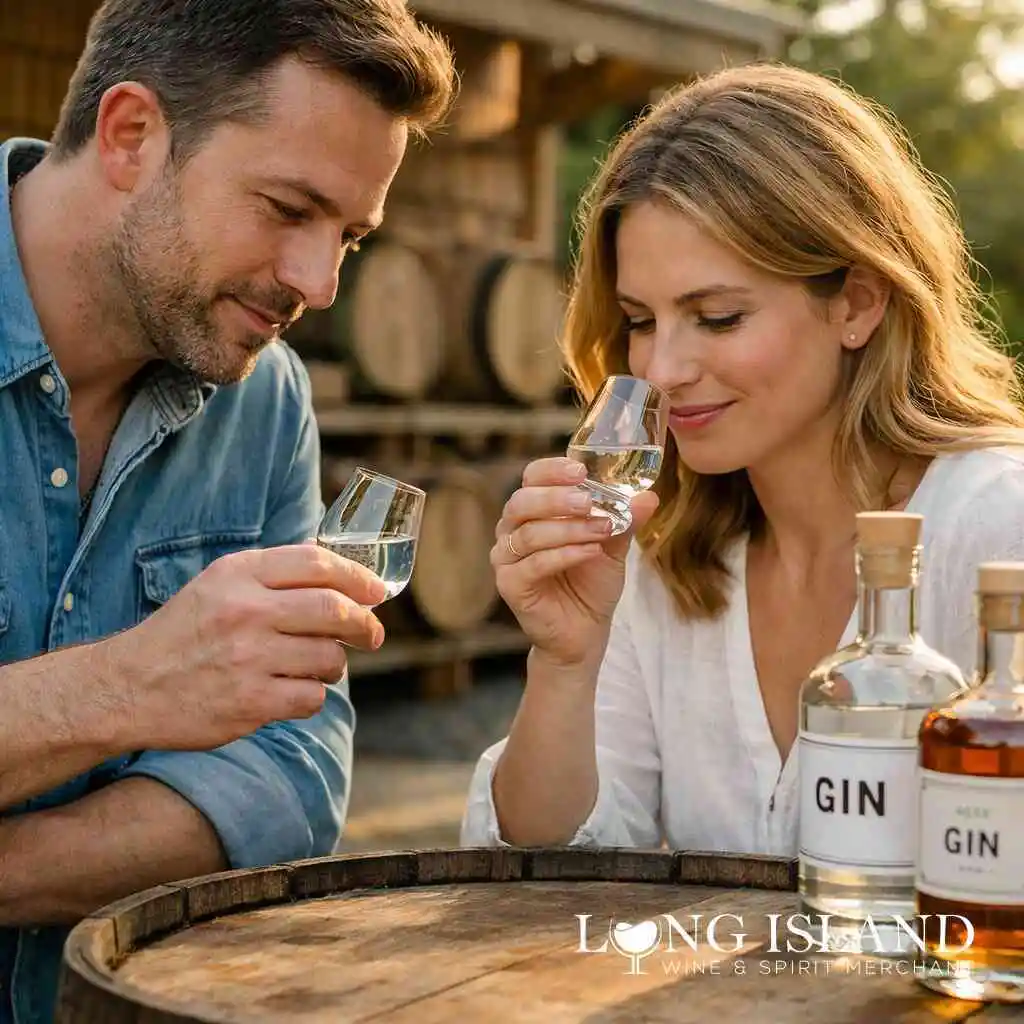
The mistake we see most often is assuming “modern” means softer and “classic” means harsher. That is not always true. Some contemporary gin styles taste delicate and airy, while some London dry gins hit with serious citrus and spice. If you want the best gin for martini use, style matters more than buzzwords. The bottle should match the drink and your palate.
The gin aging process from neutral spirit to premium gin with purpose
The gin aging process starts with a neutral spirit, then botanical infusion, then distillation. Aging, if it happens, comes later and must be intentional. Not every premium gin needs oak, and not every aged spirit benefits from longer time in barrel. The purpose should be clear from the start. If you want a deeper explanation, see distilled spirits, but keep in mind that gin uses oak differently than whiskey. Aged gin can gain polish, but it can also lose brightness if the barrel is too dominant. That is why producers often finish rather than fully mature the spirit. A cask finished gin may keep the botanical lift while borrowing a little oak texture. For shoppers in Long Island and New York City, that middle path often works best in cocktails. It keeps the gin recognizable while adding dimension. When barrel aged gin makes sense and when craft gin is the smarter pour
Barrel aged gin has a clear place on the shelf, but it is not always the best answer. If you want a martini with clean lines and a cold, focused finish, craft gin may still be the smarter pour. If you want a spirit that can stand beside vermouth selection, amaro digestif, or darker cocktail ingredients, oak can help. The right bottle depends on balance, not novelty.
How oak barrel maturation brings vanilla, toast, and subtle tannin into the glass
Oak barrel maturation adds structure. It can bring vanilla, toast, and subtle tannin into the glass, which changes how the spirit feels on the tongue. Instead of snapping open, the gin often spreads out. That wider feel can be lovely in a stirred drink or in a recipe with richer bitters. It is one reason barrel aged gin with whiskey barrel influence has become more popular.
Think of oak as seasoning, not a costume. A little can deepen the drink. Too much can hide the botanicals. That is why tastings matter. If the juniper disappears, the product may be more oak spirit than gin. If you still taste citrus and spice after the barrel, the balance is probably on target.
French oak barrels versus American oak barrels and the barrel influence on gin
French oak tends to feel tighter and more spice-driven. American oak usually gives a sweeter impression, with more vanilla and coconut-like notes. Those are broad patterns, not rigid rules, but they help you read a label faster. A French oak barrel and American oak barrel gin comparison makes the difference easier to hear in the glass.
Barrel typeCommon flavor impressionTypical gin effectFrench oakspice, toast, structuredrier, firmer finishAmerican oakvanilla, sweetness, roundnesssofter, warmer finishIf you enjoy gin with a more elegant edge, French oak may appeal to you. If you like a rounder feel in a cocktail, American oak can work well. The barrel influence on gin is one of the few places where texture matters as much as aroma.
Why whiskey barrel aged gin leans warmer while fresh craft gin stays brighter
Whiskey barrel aged gin often picks up leftover whiskey character from the cask. That can mean grain sweetness, toast, or a faint smoky warmth. It does not mean the gin becomes whiskey. It means the barrel leaves a memory behind. Fresh craft gin, by contrast, keeps its botanical brightness and usually shows more lift in the nose.
We had a customer in Suffolk County who wanted something for a winter gin and tonic. He expected to hate barrel aged gin because he thought it would feel heavy. Instead, he found that a whiskey barrel aged gin gave his drink enough depth to stand up to rosemary and citrus peel. In warmer months, he went back to a brighter bottle. That is the point. Match the mood, not the trend.
Choosing between cocktail gin and martini gin for gin and tonic, gin cocktails, and mixology with gin
Cocktail gin should hold up under mixers, citrus, and bitters. Martini gin should stay sharp enough to shine through vermouth and garnish. A good best gin for martini and cocktail gin guide depends on the recipe, not just the brand. A gin and tonic rewards clarity. A stirred cocktail rewards structure.
Use this quick guide:
- Martini gin: clean, dry, juniper-led
- Cocktail gin: flexible, balanced, mixer-friendly
- Barrel aged gin: best in richer, spirit-forward drinks
- Fresh craft gin: best for bright, citrus-heavy pours
If you are stocking for a dinner party, keep both styles on hand. That makes your gin cocktails and mixology with gin in Commack plans far easier. It also saves you from forcing one bottle to do every job.
What to look for in premium gin, artisanal gin, and cask finished gin at an alcohol store or liquor store
Read the label for the botanicals first, then for the barrel language. Premium gin and artisanal gin should tell you something about the distiller’s intent. Cask finished gin should also indicate whether oak is a finish or a full aging method. That detail matters more than the marketing copy. If you are shopping in an alcohol store or liquor store, ask for the freshest tasting note profile, not the loudest bottle art.
Look for these signs of quality:
- Clear botanical list
- Distiller notes that name the barrel type
- No vague sweetness masking the spirit
- Balanced finish in a sample pour
If you want to compare bottles in person, our liquor store gin shopping near Commack approach keeps the process simple. We help you separate style from hype. And if you are buying for a gift, bottle presentation can matter too, especially for bottle engraving for alcohol gift sets.
Frequently Asked Questions
Question: What is the main difference between craft gin and barrel aged gin in The Difference Between Craft Gin and Barrel Aged Gin 2026?
Answer: Craft gin is usually designed to taste bright, clean, and botanical, with juniper-forward gin character, citrus botanicals, and spice notes in gin showing clearly from the first sip. Barrel aged gin, by contrast, spends time in oak and picks up vanilla, toast, subtle tannin, and a warmer texture. At Long Island Alcohol Store in Commack, we help shoppers compare these styles based on how they plan to drink them, whether that is a crisp gin and tonic, a martini, or richer gin cocktails. If you are looking for a local alcohol store or liquor store that can explain the gin flavor profile without the hype, our team is a practical place to start. We also make it easier to shop for Long Island alcohol, whether you want something fresh and botanical or a bottle with oak barrel maturation and deeper aged spirits character.
Question: Which type of gin is better for a best gin for martini search, craft gin or barrel aged gin?
Answer: For most martini lovers, a dry, balanced craft gin or London dry gin is usually the better choice because it keeps the drink sharp, focused, and clean. A barrel aged gin can be excellent in a martini if you want a softer, rounder finish, but oak can sometimes take the spotlight away from the botanicals. At our Commack liquor store, we often guide customers toward cocktail gin or martini gin based on whether they want the vermouth selection to shine or prefer a little oak depth. If you are searching online for liquor delivery near me, an online liquor shop, or a New York liquor store online, it helps to choose a bottle by style rather than label alone. We can also help with alcohol education, spirits education, and gin tasting notes so you can choose with confidence for home entertaining, wedding alcohol, or corporate gifts.
Question: How does the gin aging process affect flavor, and do French oak barrels or American oak barrels make a noticeable difference?
Answer: Yes, the barrel type can make a real difference. The gin aging process brings oak influence into the spirit, and French oak barrels often add a firmer, spicier feel, while American oak barrels usually lean toward vanilla, sweetness, and a rounder mouthfeel. That is why barrel influence on gin can feel so distinct from fresh craft gin or small batch gin. At Long Island Alcohol Store, we take the time to explain these differences in a way that is helpful whether you are buying for a dinner party, looking for mixology supplies, or comparing cask finished gin with whiskey barrel aged gin. We are a trusted spirits shop for shoppers in Suffolk County alcohol markets and beyond, and we are happy to help you find the style that fits your palate, your cocktail ingredients, and your occasion.
Question: Can Long Island Alcohol Store help me choose gin for gin and tonic, gin cocktails, or mixology with gin at home?
Answer: Absolutely. We regularly help customers build a home bar with the right alcohol store staples, from premium gin and artisanal gin to tonic water, bitters, cocktail cherries, and other cocktail ingredients. If you want a bright gin and tonic, we usually suggest a crisp botanical gin with strong juniper and citrus lift. If you want stirred gin cocktails, a more structured or barrel aged gin may be a better fit. For shoppers looking for alcohol delivery, wine delivery, vodka delivery, or even pre-mixed cocktail delivery, we aim to make the process simple and informed. We also support party planning alcohol needs, whether it is for holiday champagne, mimosa bar setup, or a larger event where party alcohol bulk matters. If you are comparing options across a liquor store, online liquor shop, or spirits delivery nationwide search, we are here to help you sort out what works best.
Question: What should I look for when buying premium gin, artisanal gin, or cask finished gin online from a Long Island wine and spirits shop?
Answer: Start with the botanical list, then look for clear wording about the barrel or finishing process. Premium gin should feel balanced and intentional, not overloaded with oak or sweetness. Artisanal gin and small batch gin often give you a cleaner picture of the botanicals, while cask finished gin can offer a nice middle ground between fresh brightness and aged spirits depth. At Long Island Alcohol Store, we want shoppers to feel confident whether they are searching for Long Island alcohol, online wine store USA options, rare bourbon, limited edition whiskey, or local craft spirits. We also carry the kind of products people look for in a well-stocked liquor store, including kosher spirits, organic wine, hard seltzer, non-alcoholic beverages, and gift cards for alcohol gift sets. If you are shopping for alcohol near me open now, alcohol shipping regulations, or age verification questions, our goal is to keep the experience straightforward, responsible, and easy to trust.
Question: Can I get bottle engraving or alcohol gift sets from Long Island Alcohol Store for gin lovers?
Answer: Yes, bottle engraving can be a thoughtful option for gifts, and alcohol gift sets are a great way to make a bottle feel more personal. That works especially well for someone who enjoys craft gin, barrel aged gin, or a favorite scotch whisky, bourbon store selection, or buy cognac online purchase. We often help customers choose gifts for weddings, corporate gifts, holidays, or other special occasions where presentation matters as much as the bottle itself. As a Long Island wine and spirits merchant, we focus on making the shopping experience warm, useful, and dependable, whether you are looking for bottle engraving, local craft spirits, or an alcohol delivery order that fits your plans. If you need help comparing a gin gift with options like rum near me, tequila shop favorites, or buy whiskey online picks, we are happy to guide you.


