
The Difference Between Organic Wine and Natural Wine 2026
July 23, 2026
Why organic wine and natural wine are not the same bottle in the same conversation
Shoppers ask us this almost every week, usually while holding two labels that look related but speak different languages. If you are standing in a liquor store aisle and feeling uncertain, that reaction makes sense. The words sound close, yet the bottle promises are not identical. Organic wine and natural wine overlap, but they are not synonyms.
The label clues most shoppers miss at the wine store
The easiest clue is the certification language, not the vibe. Organic wine usually points to farming rules, while natural wine usually points to cellar choices and minimal intervention wine methods. A bottle can be certified organic and still taste polished, structured, and conventional. Another bottle may be made with native yeast fermentation and no heavy filtering, yet never carry an organic seal.
Here is the part most shoppers miss. A wine store can stock both, but the label may emphasize different values. One bottle may highlight certified organic vineyards, while another leans into unfiltered wine or unfined wine. If you want a quick resource, our difference between organic wine and natural wine guide keeps the distinction plain.
Why a wine can be organic and still not feel natural
A wine can follow organic farming rules and still go through plenty of cellar intervention. That means the grapes were grown with restricted synthetic inputs, but the winemaker may still fine, filter, and stabilize the wine heavily. The result may taste clean and consistent, yet not especially rustic or wild. Some drinkers love that style. Others expect more texture, funk, or unpredictability.
We hear this from clients who buy organic wine shopping on Long Island. They often expect “organic” to mean “lightly handled,” but the bottle does not always behave that way. On a humid Commack summer weekend, one customer asked for something “natural but not weird.” That phrase made sense immediately. She wanted freshness, not a cloudy surprise.
Where certified organic vineyards and minimal intervention wine split apart
This split matters because organic wine starts in the vineyard, while minimal intervention wine is mostly a cellar philosophy. Vineyard choices cover spraying, soil health, weed control, and crop care. Cellar choices cover yeast selection, filtration, sulfur use, and blending decisions. The two can meet in the same bottle, but they do not have to.
If you want a deeper sourcing lens, look at organic vineyards and biodynamic wine farming. That mindset often connects to sustainable winemaking, regenerative agriculture wine, and broader ethical wine production. Still, a winemaker can farm organically and choose a conventional cellar. Likewise, a natural winemaker can work with fruit that is not certified organic but still farm carefully.
What Long Island wine shoppers should ask before trusting a buzzword
Ask what the term actually describes. Does it describe the vineyard, the cellar, or both? Does the producer mention native yeast, no added sulfites wine, or heavy filtration? Is the bottle certified, or is it just described that way on the shelf?
A simple question saves time at any alcohol store or liquor store. Ask whether the wine is meant to taste pristine, earthy, or somewhere between. That answer tells you far more than a trendy adjective. For shoppers comparing Long Island wine with imported styles, that clarity matters even more. If you are buying from a liquor store Commack NY or browsing an online liquor shop, the right question can narrow the field fast.
What really happens in the vineyard and cellar when a winemaker chooses less intervention
Less intervention sounds romantic, but it is really a chain of deliberate choices. The grower must protect fruit quality in the vineyard. The cellar team must decide how much to guide, correct, or preserve. When those choices line up, the bottle often tastes more alive. When they do not, the wine can feel unstable or murky.
Certified organic vineyards and the farming choices behind the fruit
Certified organic vineyards limit certain synthetic treatments and focus more on soil and vine balance. That does not mean the grapes are untreated or that farming is effortless. It means the grower works with stricter rules and often spends more time monitoring canopy health and disease pressure. In places with damp weather, that work is serious.
On Long Island, those details matter. Humidity can challenge grape skins, and coastal conditions can demand extra care. That is one reason organic wine and eco-friendly wine choices often feel especially relevant to local buyers. When shoppers look for organic wine options in the wine store, they are often looking for farming discipline as much as flavor.
Native yeast fermentation, unfiltered wine, and unfined wine explained in plain English
Native yeast fermentation means the winemaker uses the yeasts already present on the grapes and in the winery environment. That can create more layered aromas, but it can also be less predictable. Unfiltered wine keeps more suspended particles, while unfined wine skips the clarifying step that strips haze and sediment. None of these choices automatically make a wine better. They simply change the texture and expression.
If you want a fuller primer, our native yeast fermentation and minimal intervention wine notes break down the basics without jargon. What we have seen in 2026 specifically is more customers asking for wines with character, not just polish. They want a bottle that feels personal. That is especially true for people shopping for wine tasting packs or a thoughtful host gift.
Low sulfite wine and no added sulfites wine without the marketing fog
This topic creates confusion because the labels sound more dramatic than they are. Sulfites help protect wine from oxidation and spoilage. Low sulfite wine means the total sulfur levels are restrained, while no added sulfites wine means the maker did not add more sulfur during production. That still does not guarantee zero sulfites, because small natural amounts can appear during fermentation.
One couple in Suffolk County asked for a bottle they could “feel better about” for a dinner party. They did not want a lecture. They wanted a sensible choice. We steered them toward wines with transparent cellar notes and told them to store the bottle cool and upright for a short period before service. That kind of practical guidance usually helps more than marketing does.
Biodynamic wine, regenerative agriculture wine, and sustainable winemaking beyond the sticker
These terms sit close together, but they are not identical. Biodynamic wine follows a specific farming framework that treats the farm as a closed ecosystem. Regenerative agriculture wine focuses on rebuilding soil and biodiversity over time. Sustainable winemaking is broader and can include water use, energy use, packaging, and labor practices.
If you want the eco conversation to be serious, do not stop at the sticker. Ask what the vineyard does between harvests. Ask how the winery handles waste, transport, and packaging. Our sustainable winemaking and eco-friendly wine choices page is a good starting point when you want values and flavor to line up. For customers ordering from a spirit shop or wine delivery service, that kind of transparency feels increasingly important.
How to read the bottle like someone who knows what matters
Reading a bottle well is not about memorizing obscure terms. It is about learning which clues are reliable and which ones are purely decorative. The back label often tells you more than the front. So does the producer website, if you are shopping carefully in an online wine store USA. 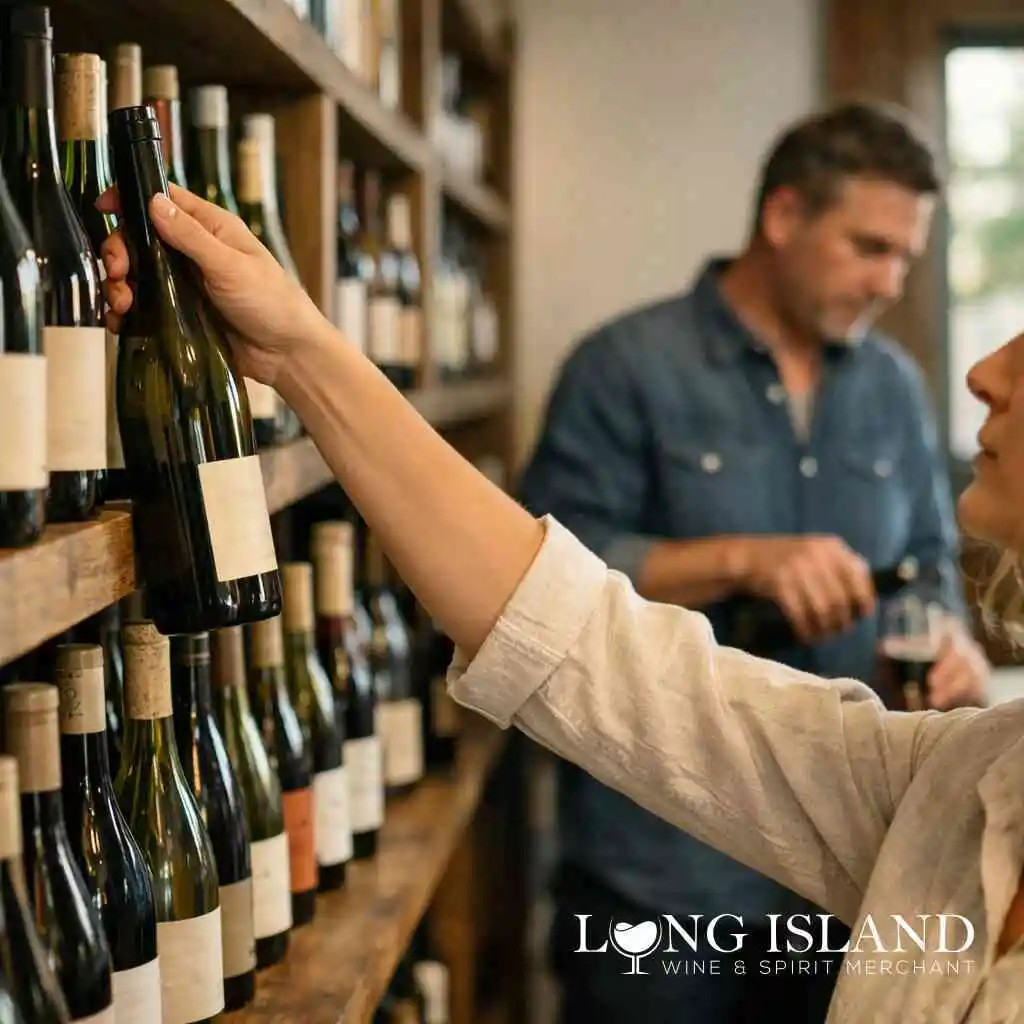
Wine ingredient transparency and the clues hidden on back labels
The best back labels often name grapes, region, and production notes. Some also list yeast, filtration, or sulfur details. That is where wine ingredient transparency starts to matter. If the producer says little, you may need to infer more from style and reputation.
For shoppers who care about clean label wine, the small print can be revealing. A bottle that mentions minimal intervention, native yeast, or gentle handling may tell a more complete story. If you like reading before buying, our wine ingredient transparency and clean label wine resource can help. It is the kind of detail that saves you from guessing at the shelf.
Clean label wine, preservative-free wine, and what those words can and cannot promise
These words sound reassuring, but they are not always tightly defined. Clean label wine usually signals a simpler ingredient list or a softer production style. Preservative-free wine is trickier, because wine itself involves preservation through fermentation and acidity. If a producer avoids certain additives, that is useful. It is not the same thing as a medical or scientific guarantee.
That distinction matters for buyers who want gluten-free vodka, low calorie seltzer, or non-alcoholic beverages alongside wine. People often use the same label logic across categories. But wine is its own category, and the rules are looser than many shoppers expect. Keep your standards high, but keep your expectations realistic.
Organic red wine, organic white wine, organic rosé wine, and natural sparkling wine in the glass
Style matters as much as process. Organic red wine, organic white wine, and organic rosé wine can all taste very conventional if the cellar work is precise. Meanwhile, natural sparkling wine may show more texture, more yeast character, and sometimes more sediment. That can be thrilling at a dinner table, or confusing if you expected a crisp, mainstream profile.
A simple comparison helps.
StyleCommon flavor feelTypical processing signalBest forOrganic red wineStructured, fruit-drivenFarming-focusedDinner, steaks, braisesOrganic white wineFresh, clean, mineralVineyard-focusedSeafood, chicken, saladsOrganic rosé wineBright, easygoingLight extractionPicnics, appetizersNatural sparkling wineLively, earthy, often texturalMinimal interventionAperitif, casual celebrationsIf you are exploring this category, start with organic red wine, organic white wine, and organic rosé wine and then compare the style notes. For celebratory bottles, natural sparkling wine and Champagne choices can show the difference between polished and wild in one glass. Holiday champagne, wedding alcohol, and corporate gifts all benefit from that kind of style matching.
Orange wine, bio-dynamic talk, and when natural wine tasting notes get surprisingly earthy
Orange wine is white grapes fermented with skin contact, which creates color, tannin, and a broader flavor spectrum. It is often discussed alongside natural wine because both categories lean into texture and individuality. But orange wine is a method, not a guarantee of quality. It can taste vibrant, nutty, tea-like, or intensely earthy.
That earthy quality is where natural wine tasting notes can surprise people. One buyer in Commack told us her first orange wine smelled like dried apricots and wet stone. She was not sure if she liked it at first. Then she paired it with roast chicken, olives, and charred fennel, and the bottle made sense. If you want that kind of guidance, natural wine tasting notes and wine pairing tips can help you choose with more confidence.
When your next purchase should be driven by taste, storage, and the occasion, not the trend
The smartest bottle choice is not always the trendiest one. It is the one that fits the food, the room, and the people at the table. That may sound simple, but it saves money and disappointment. This is where taste and context beat jargon every time.
Pairing organic wine and natural wine with dinner using real wine pairing tips
Start with the dish, not the label. Organic and natural wines both work beautifully with food, but they behave differently. A bright natural white can lift shellfish, while a structured organic red can stand up to grilled lamb. Tannic wines need richer dishes. Lighter wines need cleaner flavors.
A practical pairing list helps.
- Herb-roasted chicken: organic white wine with citrus or mineral notes
- Mushroom risotto: natural red wine with earthy depth
- Tomato pasta: organic rosé or a bright red
- Roasted salmon: textured white or light orange wine
- A cheese board: natural sparkling wine for contrast
If you need more direction, our wine pairing tips are built for real dinners, not textbook theory. The same approach works for kosher wine, imported wine, and even alcohol-free wine if your table has different preferences.
What to choose for wine delivery, wine tasting packs, gift cards, wedding alcohol, or corporate gifts
Occasion should guide the bottle. If you want a quick weeknight wine, pick something balanced and easy to serve. If you are building a gift, choose a bottle with a story and maybe wine bottle engraving for gifts and corporate orders. If you are buying for a larger event, think about consistency, storage, and mixability.
Our customers use this logic for wine delivery, gift cards, corporate gifts, and wedding alcohol. They also ask for alcohol gift sets and occasional alcohol subscription ideas for ongoing clients. If you are comparing a gift bottle to something like kosher wine choices in the store, the right context keeps you from guessing. It also helps when ordering holiday champagne or party alcohol bulk for a larger group.
How to buy through an online wine store USA without getting tripped up by wine shipping regulations
Shipping rules matter. They vary by state, carrier, and product type. That is why wine shipping regulations deserve attention before checkout. Reputable retailers should be clear about compliance, age verification, and where they can legally ship. According to the NY State Liquor Authority’s shipping regulations, sellers must follow strict rules for licensed sales and delivery.
If you want the details in plain English, wine shipping regulations in New York is worth reading before you place an order. We also keep our Long Island alcohol store shipping practices aligned with state law and Suffolk County rules. For local buyers, wine delivery for Commack and Suffolk County is a practical way to understand what can happen locally. And for anyone comparing storefronts, ask about age verification before you assume anything.
The next bottle decision for Commack, Suffolk County, and Long Island shoppers who want clarity
If you are shopping in Commack, across Suffolk County, or anywhere on Long Island, clarity is the real luxury. You do not need to chase every buzzword. You need a bottle that fits your meal, your budget, and your guests. That may be an organic bottle, a natural one, or neither.
Our advice is simple. Start by deciding what matters most: farming, cellar style, flavor texture, or gifting. Then ask one knowledgeable retailer to narrow the field. If you prefer to shop in person, our Long Island alcohol store shipping and local selection can help you compare options with less guesswork. And if you want to stay rooted in the neighborhood, from Huntington to Commack, a thoughtful bottle is never far away. You do not have to solve it all today. Start with one bottle, one food pairing, and one clear question at the counter.
Frequently Asked Questions
Question: What is the real difference between organic wine and natural wine in The Difference Between Organic Wine and Natural Wine 2026?
Answer: The simplest way to think about it is that organic wine is mainly about grape farming practices, while natural wine is mainly about cellar intervention. Organic wine usually means the grapes were grown under certified organic vineyards rules with limits on synthetic inputs, while natural wine often points to minimal intervention wine methods such as native yeast fermentation, unfiltered wine, unfined wine, or lower sulfur handling. A bottle can be organic and still taste polished and conventional, and a natural wine can be made with careful farming even if it is not certified. If you are shopping at Long Island Alcohol Store, our team can help you compare labels, explain wine ingredient transparency, and choose a bottle that fits your taste rather than just the trend. That is especially useful if you want wine delivery, wine tasting packs, or a thoughtful bottle for dinner, gift cards, or corporate gifts.
Question: Can I find organic wine, biodynamic wine, and natural sparkling wine at your Commack liquor store or online liquor shop?
Answer: Yes, Long Island Alcohol Store is built for shoppers who want choices across style and philosophy, from organic wine to biodynamic wine, natural sparkling wine, and other eco-friendly wine choices. Availability can change, so we always recommend checking current selection rather than assuming every bottle is in stock. What we can promise is a knowledgeable, friendly approach that helps you narrow down options for Long Island wine, imported wine, kosher wine, or even alcohol-free wine if you are planning for a mixed group. If you are browsing our alcohol store in Commack or using our online wine store USA options, we can also help you think through food pairings, bottle style, and whether a clean label wine, preservative-free wine, or low sulfite wine is the right fit for your table.
Question: How do I choose between organic red wine, organic white wine, organic rosé wine, and natural wine for wine pairing tips?
Answer: Start with the meal, then work backward from flavor. Organic red wine is often a great match for roasted meats, mushrooms, or braised dishes. Organic white wine usually works well with seafood, chicken, and lighter salads. Organic rosé wine gives you flexibility for picnics, appetizers, and casual dinners. Natural wine can be a little more textural or earthy, so it is a smart choice when you want something with character for cheese boards, roast chicken, grilled vegetables, or orange wine-style dishes. Our wine pairing tips are meant to be practical, not intimidating, and that is part of why customers trust Long Island Alcohol Store for Long Island wine and Suffolk County alcohol shopping. Whether you are picking up in person, arranging alcohol delivery, or planning party alcohol bulk for wedding alcohol or corporate gifts, we can help you choose a bottle that actually fits the occasion.
Question: Do you offer wine delivery or alcohol delivery for shoppers looking for organic wine, natural wine, or holiday champagne on Long Island?
Answer: Yes, Long Island Alcohol Store offers alcohol delivery and wine delivery options, and we also support customers who search for liquor delivery near me, same-day delivery, or online liquor shop convenience. We serve Commack, Suffolk County, and Long Island, and we also ship where legally allowed in all 50 states, always following wine shipping regulations and alcohol shipping regulations. Because rules vary by state, we never guess about delivery eligibility; instead, we encourage customers to confirm details at checkout and ask about age verification if needed. That careful approach is part of how we protect the customer experience. If you need holiday champagne, wine tasting packs, gift cards, bottle engraving, or alcohol gift sets, we can help you shop responsibly and confidently.
Question: Can Long Island Alcohol Store help me pick a bottle if I want organic wine but also shop for cocktails, spirits, and mixers in one place?
Answer: Absolutely. Many customers come to us for more than one category, and that is where a full-service spirits shop is helpful. Alongside organic wine and natural wine, we can guide you toward bourbon store favorites, premium scotch, rare bourbon, limited edition whiskey, buy whiskey online options, buy cognac online requests, brandy delivery, vodka delivery, tequila shop picks, rum near me searches, and even vermouth selection or amaro digestif ideas. If you are planning cocktails, we can also help with cocktail ingredients, tonic water, mixers, bitters, cocktail cherries, and ready-to-drink cocktails. For hosts, that means one stop for wedding alcohol, party planning alcohol, non-alcoholic beverages, hard seltzer, and even local craft spirits from a NY State distillery when available. If you want honest guidance instead of buzzwords, Long Island Alcohol Store is a strong place to start.


