
Understanding Vermouth Balance at Long Island Alcohol Store
January 15, 2026
Opening the Aromatic Curtain on Vermouth Balance
Long Island Alcohol Store and the rise of aromatized fortified wine
Walk into Commack’s vibrant aisles and you immediately sense vermouth’s renaissance swirling among stacked gleaming bottles. The Long Island Alcohol Store champions this movement, spotlighting aromatized fortified wine beside crowd-pleasing gin, rum, and whiskey. Unlike traditional outlets, the team curates shelves by flavor spectrum, not price tag, fostering true artisan vermouth selection. Every bottle sports a shelf talker reading like a mini Long Island vermouth guide, detailing herbs, sugars, and base wines. Shoppers scanning for alcohol near me now discover nuanced vermouth balance techniques without leaving our Suffolk County neighborhood. That convenient education continues online through the Long Island Alcohol Store homepage, empowering nationwide drinkers to order with confidence.
Aromatized fortified wine dates back centuries, yet Long Island’s maritime climate breeds herbs that give current bottlings a local twist. Producers experiment with beach rose, bay laurel, even Montauk lavender, integrating shoreline terroir into the classic wormwood framework. Our buyers taste quarterly, selecting labels that respect history while speaking to emerging Long Island mixology essentials. That forward-thinking curation means you’ll encounter oxidative Spanish styles, citrus-driven French interpretations, and bold American craft dry vermouth picks. Each new arrival is tested against local spirits, assuring harmony with Commack gin, vodka, and bourbon before hitting our shelves.
Sweet versus dry vermouth decoded for the modern home bar
The sweet versus dry debate often stumps even enthusiastic home bartenders stocking up on party drinks. Sweet vermouth, usually red or amber, carries caramelized sugars, dried fruit, and baking spice that can tame powerful whiskey. Dry vermouth, pale and brisk, leans toward herbs, green apple, and quinine, making it ideal for pairing vermouth with gin. Long Island Alcohol Store displays sugar content graphs, helping shoppers grasp which style suits Manhattan or martini ratios. That clarity lets you practice optimal vermouth ratios consistently, instead of guessing and wasting precious aromatized fortified wine.
When constructing a classic martini, start 2:1 gin to dry vermouth then adjust to palate, not misconception. If your gin brims with citrus, dial vermouth higher; juniper-heavy spirits often demand a lighter pour. Sweet vermouth flourishes with rye whiskey’s peppery snap yet can overwhelm subtle Canadian blends. Taste side by side, noting viscosity, acidity, and lingering herbal bitterness; those impressions inform future home bar essentials purchases. The exercise reinforces why artisan vermouth selection matters as much as premium whiskey or top rum brands in cocktail success.
Seasonal cravings and Commack mixology culture shaping flavor choices
Seasons shift, and Long Island palates transform alongside changing shoreline breezes, influencing which vermouth bottles fly off shelves. During brisk autumns, residents seek richer fortified wine nuances, favoring sweet vermouth laced with baking spice and dried fig. Winter gatherings focus on Negroni nights where balanced bitterness warms friends after frosty ferries from Port Jefferson. Spring ushers in dry vermouth spritzes paired with Long Island oysters, celebrating renewed produce and lighter moods. Summer rooftop parties lean on herbaceous blanco styles served over tonic and mint, echoing garden aromatics flourishing in Commack backyards.
Local bartenders feed this cycle, hosting monthly workshops that teach vermouth and tonic ideas alongside quick tomato bruschetta bites. Participants take notes, then stop by our alcohol shop to gather home bar essentials for practice. Commack’s collaborative spirit means recipes spread fast, integrating Long Island spirits, craft beer, and even Brazilian cachaca into seasonal menus. As trends circulate, our buyers respond, stocking sweet vermouth or craft dry vermouth picks earlier than metropolitan competitors. The result is a living Long Island vermouth guide that reflects culture in Commack New York while anticipating national palates.
Anatomy of Artisan Vermouth: Selection at Long Island Alcohol Store
Boutique vermouth brands curating the Long Island spirits landscape
Long Island Alcohol Store never treats vermouth as an afterthought; instead, our alcohol shop scouts boutique labels the way sommeliers scout grand cru vineyards. Buyers meet with coastal herbalists, New York winemakers, and seasoned distillers to trace every infusion back to its terroir. The result is a spectrum of aromatized fortified wine that mirrors the diversity of Long Island spirits themselves. Patrons can preview producer philosophies, barrel treatments, and sugar strategies before a single bottle reaches a cart. For deeper exploration, customers often browse our vermouth choices on Long Island Wine & Spirit Merchant to compare regional experiments side by side.
The curation process weighs sustainability, honesty in labeling, and compatibility with local gin, vodka, and whiskey. Small batches using beach plum, bay leaf, or North Fork chardonnay gain priority because they echo hometown agriculture. These nuanced ingredients lend authenticity that imported mass-market vermouth frequently lacks. Our staff then cross-tastes each candidate with Commack’s growing portfolio of craft beer and premium whiskey. Only bottles that maintain balance in both a dry martini and a rum Negroni advance to the shelf. This vigilance protects shoppers from palate fatigue and ensures every purchase feels hand-picked.
Reading herbal vermouth profiles and tasting notes like a sommelier
Many guests recognize wormwood and sweetened wine yet struggle to decode the subtler aromatics dancing in the glass. We train customers to read vermouth labels with the same attention granted to fine wine and good spirits. Start by scanning the botanical roster; ingredients listed early often dominate, while those near the end whisper secondary accents. Next, observe color and viscosity, indicators of caramelization level and residual sugar, respectively. Finally, inhale deeply, noting whether citrus zest, alpine flowers, or baking spice rise first, because aroma order foretells cocktail behavior.
During guided tastings, our specialists encourage slow sips that roll across the tongue in three deliberate waves. Initial sweetness offers clues about grape base and dosage, mid-palate bitterness reveals herb selection, and lingering minerality confirms quality fortification. We suggest writing impressions in a tasting journal, then comparing them against official producer notes. This practice sharpens sensory memory and builds confidence for home bar essentials shopping. Over time, patterns emerge: rosemary often elevates gin cocktails, while gentian root complements rye whiskey. With practice, you will select vermouth as intuitively as selecting dinner wine.
Premium sweet and craft dry picks including bottle engraving possibilities
Sweet vermouth should never feel cloying; instead, it should integrate dried fruit, cocoa, and balanced bitterness that elevates whiskey collectors’ prized bourbons. Our premium segment features oxidative Spanish rosso styles that layer fig, espresso, and subtle salinity. For the dry category, we champion mineral-driven French renditions and American craft dry vermouth that spotlight grapefruit peel and thyme. Each bottle receives climate-controlled storage to preserve volatile aromatics until purchase. Guests seeking an unforgettable gift may add custom bottle engraving for vermouth gifts, transforming a beloved label into a keepsake.
When shoppers inquire about seasonal party drinks, staff demonstrate classic martini vermouth ratios using local craft gin selection near Commack for martinis. They might pour a 50-50 wet martini to illustrate how acidity and herbal tension shift with equal spirit and vermouth. Those subtle experiments clarify why optimal vermouth ratios differ between peppery London-dry and cucumber-leaning botanical gins. Engraved bottles often become centerpieces at rehearsal dinners or portfolio launch events, proving that thoughtful presentation amplifies flavor storytelling. Because engraving occurs in-house, turnaround stays swift, enabling same-week celebrations.
Custom vermouth case builds for collectors and party planners
Collectors and large-scale hosts frequently desire more than a single bottle; they crave a tailored spectrum showcasing sweet, dry, bianco, and amaro-forward expressions. Our team invites them to build a personalized vermouth case online or in store, selecting twelve complementary labels that span continents and culinary moods. We balance oxidative with fresh, bold with subtle, and high-proof with delicate to create a liquid library poised for any cocktail challenge. Case curation also considers intended food pairings, whether briny oysters, charcuterie, or dark chocolate desserts.
Party planners enjoy transparent pricing, tasting-note printouts, and optional alcohol delivery that covers all fifty states. The home bar enthusiast benefits equally, receiving a curated flight that evolves with each season’s product and social calendar. After the event, leftover bottles transition seamlessly into weeknight aperitifs because our freshness tips guide proper refrigeration and inert gas usage. In turn, repeat customers refine preferences through the store’s Wine Taste Quiz, translating new discoveries into future orders. This cyclical journey cements Long Island Alcohol Store as the ultimate resource for vermouth balance techniques.
Precision Ratios and Optimal Vermouth Techniques
Classic martini vermouth ratios that honor local gin pairings
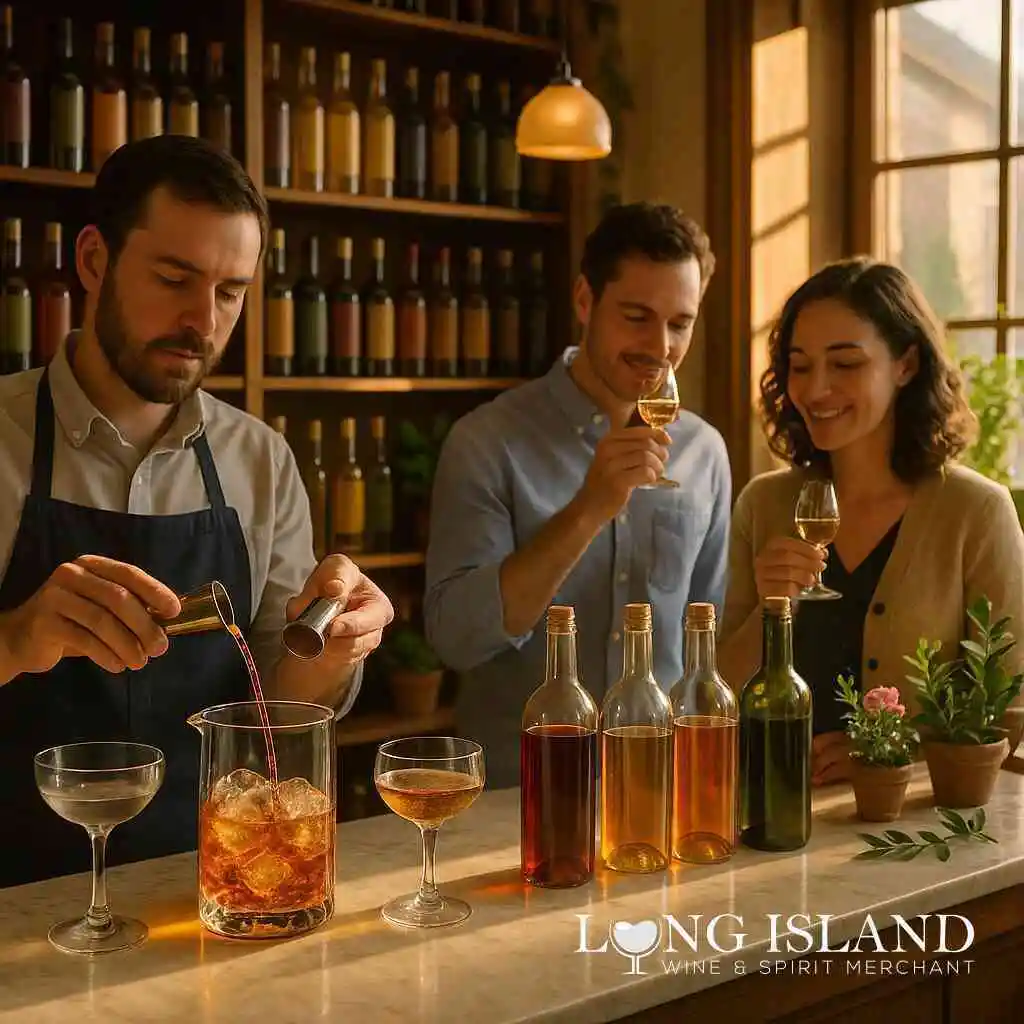
Long Island bartenders obsess over the martini because even the smallest adjustment changes everything. Classic recipes begin with a 2:1 gin-to-dry-vermouth split, yet local juniper expressions push that guideline. Commack customers sampling the craft gin selection near Commack for martinis quickly learn that citrus-forward distillates crave more botanically driven wine. Therefore, our specialists recommend first testing a 50-50 “wet” build to feel how acidity brightens texture. Gradually back down vermouth until peppery spice slides into perfect balance and creates a silky, maritime finish.
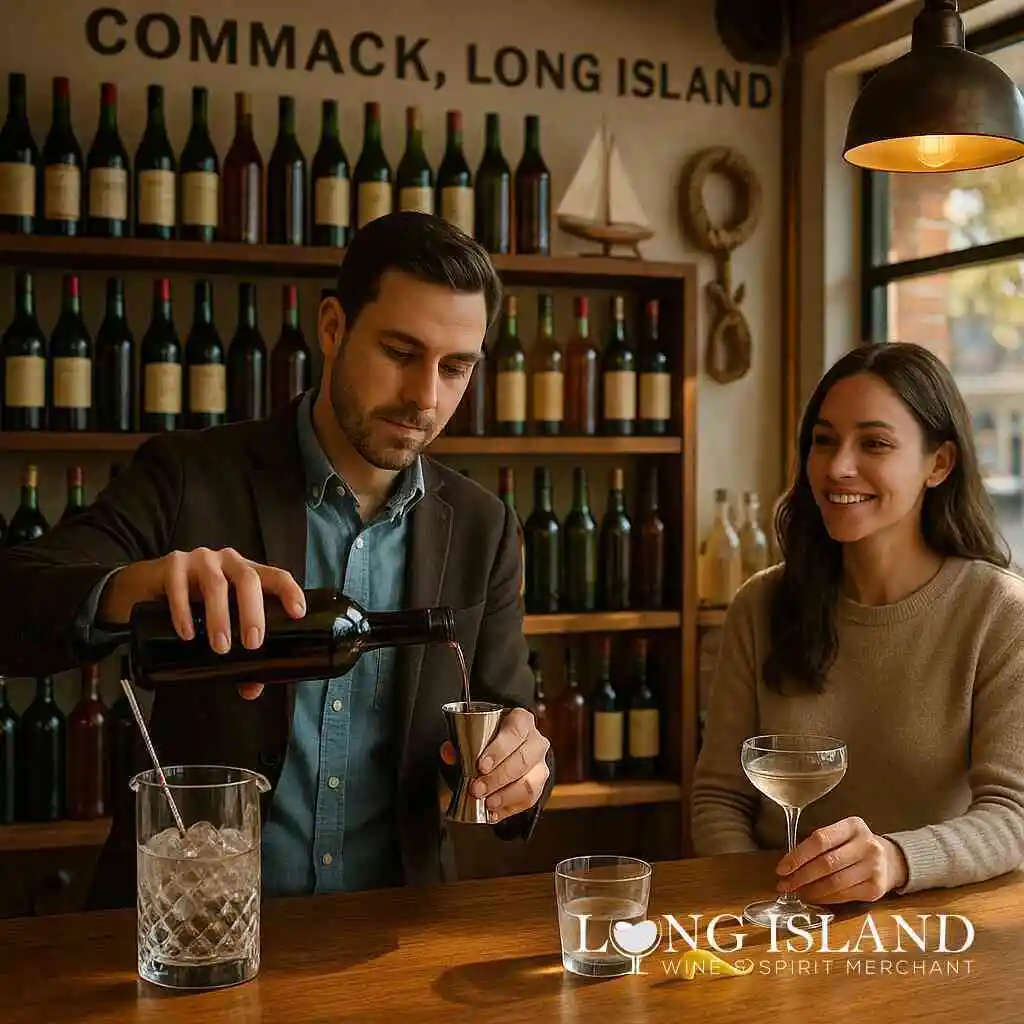
Refinement continues by tasting sweet versus dry vermouths side by side. Dry bottlings sharpen grapefruit zest already present in many Suffolk County gins, while bianco styles play up floral notes for brunch martinis. Stir each combination over dense ice and strain into a chilled coupe, never a warm glass. Measure with a graduated jigger to guarantee optimal vermouth ratios and repeatability. Small sacrifices in speed reward drinkers with depth, clarity, and unwavering elegance.
Balancing Negroni and Manhattan cocktails with Commack whiskey and rum
A Negroni thrives on equal parts gin, Campari, and sweet vermouth, yet Commack palates lean bolder. Our Long Island vermouth guide proposes a 1.25-ounce pour of vermouth against one ounce of both gin and bitter liqueur. The extra aromatized fortified wine softens Campari’s bite while amplifying orange peel in craft dry vermouth picks. Stir twenty turns, strain over a large cube, and garnish with a flamed citrus disc to unlock layered bitterness.
Manhattan construction demands different attention because bourbon, rye, or even local rum alters sweetness perception. Peppery rye from our whiskey picks welcomes a sweeter vermouth, whereas softer wheated bourbon prefers a drier expression to avoid cloying notes. Rums aged in toasted barrels add molasses tones that harmonize beautifully with cocoa-driven premium sweet vermouth options. Always dash bitters after chilling the mix, not before, to prevent volatile oils from dissipating. Revisit ratios monthly; barrel profiles evolve inside bottles and warrant recalibration.
Vermouth and tonic ideas plus freshness tips and storage science
Vermouth and tonic spritzes conquer summer patios because they showcase herbal brightness without overwhelming alcohol. Start with two ounces of chilled craft dry vermouth, then top with three ounces of crisp tonic water. Add a basil leaf for savory depth, or a grapefruit wheel to highlight quinine bitterness. For sweeter cravings, replace half the dry vermouth with a soft rosso and watch stone-fruit flavors shine. These low-proof party drinks encourage guests to appreciate subtle fortified wine nuances.
Freshness controls the experience, so treat vermouth like an open white wine. Always recork and refrigerate bottles immediately after service to slow oxidation. Inert gas sprays further preserve delicate herbal vermouth profiles, extending life to six weeks. Label the opening date with painter’s tape to encourage responsible rotation on any home bar essentials shelf. Discard cloudy or dull-smelling remnants; stale product ruins even flawless ratios.
Serving temperature considerations for peak aromatics and texture
Temperature acts as the final architect of vermouth balance techniques. Over-chilling mutes complexity, while room warmth magnifies alcohol. Aim to serve dry vermouth between forty and fifty degrees to let alpine herbs bloom without losing crispness. Sweet vermouth enjoys a slightly warmer window, which allows cocoa and baking spice to emerge fully. Pre-chill mixing glasses; they drop fluid temperatures efficiently and maintain dilution control.
Glassware reinforces this strategy. Thin-rimmed Nick and Nora stems concentrate aromas, whereas wide coupes encourage faster warming. Store clean glassware in the freezer only minutes before service; extended freezing can introduce moisture films. Finally, instruct guests to sip slowly, watching flavors evolve as liquid gradually meets ambient air. That mindful progression highlights why precise service matters as much as careful blending.
Flavor Architecture Pairing Vermouth With Spirits and Bites
Harmonizing vermouth with vodka tequila and bourbon for inventive drinks
Inventive cocktails begin by matching spirit character with complementary fortified wine nuances. Clean vodka highlights subtle herbal vermouth tasting notes, so choose a craft dry vermouth pick brimming with citrus peel. Keep optimal vermouth ratios near one part vermouth to two parts vodka; this balance preserves texture while boosting aromatics. Tequila for margaritas demands bolder layers, therefore reach for bianco vermouth featuring grapefruit zest and light salinity. The agave sweetness merges with gentle bitterness, creating a beach-ready sipper without masking terroir.
Bourbon’s vanilla and caramel require premium sweet vermouth options composed of dried cherry and cocoa. Stir one ounce bourbon with three-quarter ounce vermouth, then adjust until flavor balancing with vermouth feels seamless. Add two dashes chocolate bitters for depth, and garnish with an orange twist that echoes barrel spice. Each variation teaches home bartenders how vermouth balance techniques adapt across spirit families. Practice side by side to train your palate for future artisan vermouth selection.
Vermouth cocktail bitters synergy and herbal layering strategies
Bitters act like seasoning, bridging sweet versus dry vermouth components in every glass. For gin martinis, pair a single dash orange bitters with a lean dry vermouth to accent juniper oils. When building a Negroni variation, mix equal parts gin, vermouth in Negroni recipe, and bitter liqueur, then add one drop cardamom tincture for perfumed lift. Layering herbs this way prevents palate fatigue, especially during party drinks with vermouth that extend through the evening. Remember to taste progressively, adjusting droplet by droplet until balance emerges.
Long Island mixology essentials emphasize local botanicals such as beach rose and bay leaf. Incorporating those ingredients through house bitters synergizes with boutique vermouth brands sourced from our Commack vermouth shop. Use tasting journals to record herbal vermouth profiles, noting how wormwood bitterness interacts with clove, gentian, or hibiscus. Over time, patterns reveal which bitters harmonize with specific fortified wine nuances, making future purchases easier when you buy vermouth online Long Island. Mastering vermouth balance at local stores begins with disciplined experimentation at home.
Suggested food pairings from salty oysters to bittersweet chocolate
Aromatized fortified wine shines brightest beside thoughtfully chosen bites. Dry vermouth spritzes match raw oysters because briny liquor echoes the wine’s crisp minerality. Add a lemon twist to mirror shellfish acidity and keep the sip refreshing. For cheese boards, partner sweet vermouth laden with fig and cinnamon alongside aged Gouda; the caramel bridge binds flavors effortlessly. Meanwhile, roasted almonds seasoned with rosemary amplify herbaceous layers already present in many craft dry vermouth picks.
Dessert also benefits from fortified wine. Pair bittersweet chocolate truffles with a robust rosso vermouth featuring espresso undertones. The cocoa’s tannin tames residual sugar while elevating coffee notes for a rounded finish. When fruit is the star, drizzle grilled peaches with honey and serve next to bianco vermouth over ice. Such deliberate pairings illustrate how flavor architecture stretches beyond the glass into the plate, guiding guests through an immersive Long Island vermouth guide.
Building mixology essentials with alcohol delivery near me convenience
Stocking a versatile home bar no longer requires multiple store trips; leverage on-demand alcohol delivery in Long Island to receive every component quickly. Start with core spirits-gin, rum, vodka, and whiskey-then add sweet and dry vermouth styles to craft classics on request. Include bar tools like graduated jiggers, fine strainers, and inert gas sprays for home bar vermouth storage that preserves freshness. With same-day service, hosts can correct supply gaps hours before guests arrive, ensuring consistent cocktail quality.
Delivery convenience also encourages exploration. Order a custom vermouth case spanning oxidative Spanish rosso to alpine French dry, then taste through them using the Long Island spirits and vermouth pairing tips above. Rotate stock regularly to maintain vibrant flavors; follow vermouth freshness tips such as refrigeration after opening and labeling dates. Finally, integrate bottle engraving on vermouth for milestone celebrations, transforming liquid art into lasting keepsakes. Seamless logistics free enthusiasts to focus on creativity rather than errands.
Delivering the Perfect Pour Conclusion
Ordering vermouth online through Long Island Alcohol for rapid delivery
Long Island Alcohol Store’s alcohol delivery near me service means placing an online vermouth order feels effortless and secure. A streamlined search bar lets you locate favorite sweet or dry labels in seconds. Checkout automatically suggests protective packaging suited for aromatized fortified wine, guaranteeing bottles arrive pristine. Because our Commack team partners with certified carriers, deliveries reach any state swiftly, often before your next cocktail hour. If you prefer broader shopping guidance, explore the curated resources to order alcohol online nationwide that validate our shipping standards and outline regional regulations. Knowing compliance details up front removes stress and keeps attention on balanced flavor.
Speed never compromises care. Every vermouth bottle travels inside temperature-controlled liners that preserve fragile botanicals during transit. Ice gel packs maintain safe ranges without freezing delicate wine bases. Upon arrival, simply chill and enjoy, or tuck the bottle into a custom gift box for immediate presentation. Repeat buyers appreciate that tracking updates sync with mobile alerts, so they can ready glassware the moment a shipment lands.
Using the Long Island Wine Taste Quiz to refine future vermouth choices
The Long Island Wine Taste Quiz acts like a digital sommelier tailored to your palate. After answering quick flavor prompts, you receive a personalized profile outlining herbal tolerance, sweetness preference, and ideal acidity. Those insights feed directly into vermouth recommendations, removing guesswork from future orders. Customers often discover unexpected delights, such as bianco bottlings that mirror their love of citrus desserts. Keeping results stored in your account guarantees consistent guidance with each browsing session.
Quiz data also helps our buyers tune inventory. When many users favor bitter gentian, we source additional alpine styles to meet demand. Conversely, spikes in chocolate notes push us toward richer rosso labels for Manhattans. This feedback loop ensures that the selection on our virtual shelf always reflects real consumer taste, not static marketing trends. Your answers therefore shape the landscape for everyone seeking vermouth balance techniques.
Elevating every gathering with fine wine and good spirits from Commack
A single balanced bottle can elevate any gathering from routine to unforgettable. Pair a dry Long Island vermouth spritz with local oysters as guests arrive, then progress to richer rosso cocktails alongside charcuterie. When dessert appears, switch to an amaro-kissed Manhattan that echoes caramelized pastry. Throughout the evening, confident pours demonstrate expertise and create conversation, cementing your role as resident mixologist. Friends will remember the harmony long after the final toast.
Long Island Alcohol Store keeps that momentum alive by offering constant education, rotating specials, and access to every spirit style imaginable. Whether you crave rare scotch, craft beer, or distinctive cream liqueurs, the Commack shelves hold a complementary option. Our staff loves weaving vermouth into those broader selections, proving that balance is a mindset rather than a single recipe. Embrace the philosophy, explore diverse pairings, and watch your home bar flourish. The perfect pour is always within reach when you rely on our fine wine and good spirits expertise.
Frequently Asked Questions
Question: How does Long Island Alcohol Store help me decide between sweet versus dry vermouth when I am building a classic martini or Manhattan?
Answer: Our Commack NY liquor store displays every aromatized fortified wine by flavor spectrum rather than price, making the sweet versus dry vermouth choice simple. Shelf talkers list sugar levels, herbal vermouth profiles, and suggest optimal vermouth ratios such as the traditional 2:1 gin-to-dry split for martinis or a 1:1 whiskey-to-rosso mix for Manhattans. Staff will pour comparison tastes, show you how citrus-forward gin favors a higher dose of craft dry vermouth, and explain why peppery rye likes premium sweet vermouth options rich with cocoa and fig. If you cannot visit in person, our Long Island vermouth guide pages online contain the same tasting notes, and you can buy vermouth online Long Island for fast alcohol delivery near me service to all 50 states.
Question: What storage and freshness tips do you recommend for vermouth, and do you sell any tools that extend shelf life at home?
Answer: Vermouth is wine first and spirit second, so treat it like a quality white: record, refrigerate, and use within six weeks. At Long Island Alcohol Store we stock inert gas sprays and vacuum stoppers in our mixology essentials aisle to limit oxidation of fortified wine nuances. Every purchase comes with a freshness card outlining serving temperature, ideal between 40-50 °F for dry vermouth and slightly warmer for rosso styles. Follow these home bar vermouth storage guidelines and your herbal layers will stay vibrant long after opening.
Question: In the blog Understanding Vermouth Balance at Long Island Alcohol Store you mention precise cocktail ratios-can your team walk me through customizing those ratios with local gin and whiskey?
Answer: Absolutely. Bring your favorite Commack gin, bourbon, or rum to our tasting bar, and our specialists will demonstrate vermouth balance techniques in real time. We start with a 50-50 wet martini to showcase how acidity sharpens texture, then back off vermouth until the perfect flavor balancing with vermouth appears. For whiskey collectors we adjust rosso pours to match barrel spice, proving why a Manhattan thrives on different ratios than a Negroni recipe. You will leave with a calibrated jigger, written instructions, and confidence to replicate the results at home.
Question: Can I build a custom vermouth case online, add bottle engraving, and have it delivered as a gift?
Answer: Yes. Use our custom vermouth case builder to mix twelve artisan vermouth selection bottles-sweet, dry, bianco, even amaro-forward picks-then choose optional bottle engraving on vermouth for a personalized touch. Our alcohol delivery for vermouth ships temperature-controlled nationwide, arriving in a decorative alcohol gift box ready for any celebration. This service is perfect for party drinks with vermouth, corporate thank-yous, or wedding favors, and tracking updates ensure the gift lands on time.
Question: What makes your boutique vermouth brands different from the mass-market labels I see elsewhere, and can I sample them before buying?
Answer: Long Island Alcohol Store partners with small producers who infuse local botanicals like beach rose, bay laurel, and North Fork chardonnay grapes, delivering fortified wine nuances you will not find in generic bottles. Each candidate is tasted alongside Long Island spirits to guarantee pairing vermouth with gin, vodka, or whiskey succeeds in classic cocktails. Free weekend tastings let you explore herbal layers, vermouth tasting notes, and craft dry vermouth picks before purchasing. If you cannot attend, order a 3-pack sampler online; our no-risk policy credits anything that fails to impress, reinforcing trust in our Commack vermouth shop.


